
Thrombophilia
Genetic Clotting Disorders
A condition in which blood clots more easily than normal. Reduce your risks through early diagnosis.
About Thrombophilia
What is thrombophilia?
A condition in which blood clots more easily than normal. It can be caused by inherited or acquired factors.
Risk Factors
Family history, pregnancy, birth control pills and prolonged immobility increase the risk.
Diagnostic Methods
Blood tests detect genetic factors such as Factor V Leiden and prothrombin mutations.
Why Should You Get Tested?
Family Predisposition
Get tested if your family has a history of clotting disorders or early vascular occlusion.
Before Pregnancy
Thrombosis risk increases during pregnancy. Testing beforehand matters for both mother and baby.
Recurrent Miscarriage
Unexplained recurrent pregnancy loss may be related to thrombophilia.
Before Surgery
Thrombophilia screening before surgery is important so precautions can be taken.
Genetic Factors Tested
Which genetic factors are analyzed?
Factor V Leiden
The most common genetic cause of thrombophilia; a mutation that increases clotting.
Prothrombin G20210A
A prothrombin gene mutation that raises clotting risk.
MTHFR Mutation
Affects homocysteine metabolism and may increase cardiovascular risk.
Protein C/S Deficiency
A deficiency of natural anticoagulant proteins; a marker of familial predisposition.
Testing Process
Reach reliable results in 4 steps
Appointment
Book an appointment online or by phone
Blood Sample
A blood sample is given at our laboratory
Genetic Analysis
Analyzed using PCR and NGS methods
Reporting
Your results are ready in 7-10 business days
Treatment and Prevention
Medication
Depending on risk, blood thinners such as aspirin, warfarin or DOACs may be used.
Lifestyle
Quitting smoking, healthy nutrition, regular exercise and staying at an ideal weight matter.
Pregnancy Follow-up
Pregnant patients with thrombophilia receive close monitoring and, when needed, preventive treatment.
Periodic Check-ups
Followed up with regular blood tests and physician visits.
Inside Our Laboratory
From sample reception to genetic analysis, every step runs on an accredited laboratory infrastructure.
 Laboratory
Modern Laboratory Infrastructure
A state-of-the-art genetic laboratory with high-precision instruments and contamination-controlled work areas.
Learn more →
Laboratory
Modern Laboratory Infrastructure
A state-of-the-art genetic laboratory with high-precision instruments and contamination-controlled work areas.
Learn more →
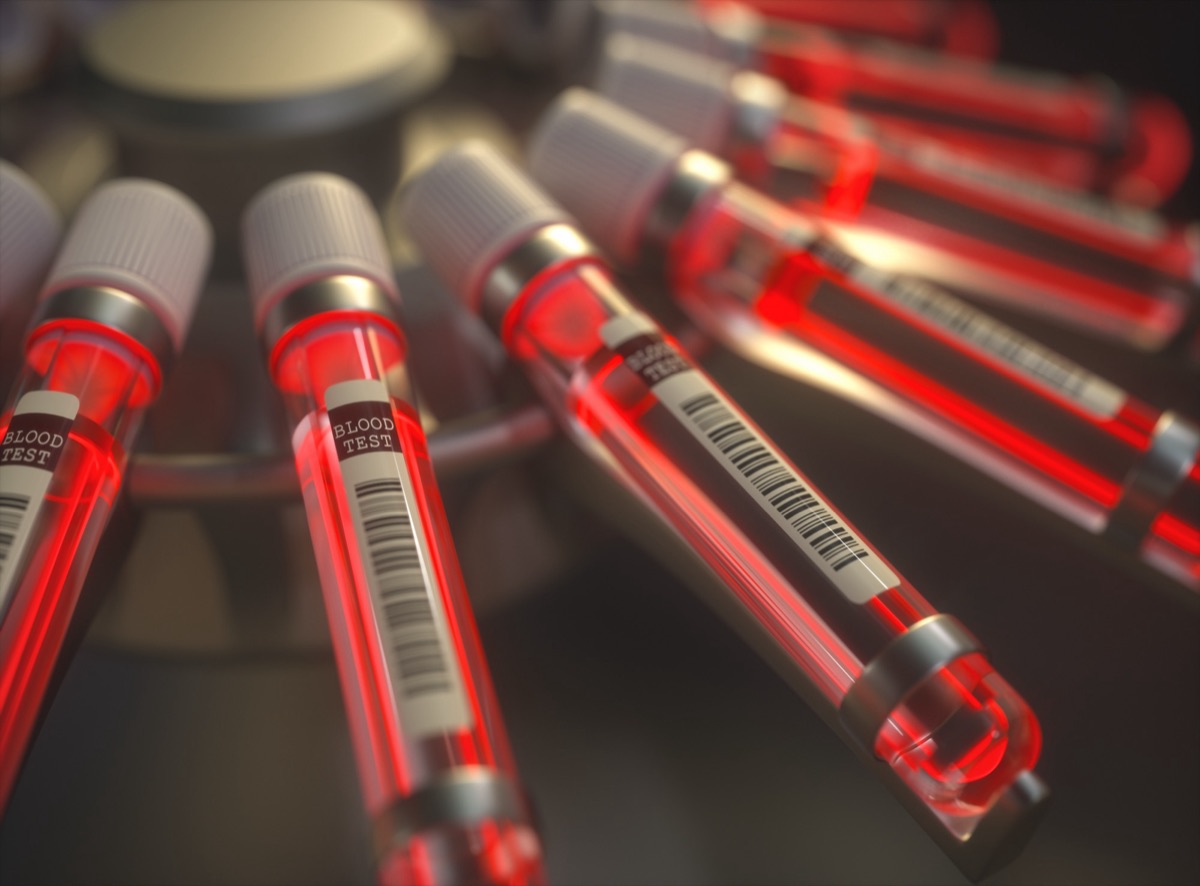 Sample Processing
Secure Sample Reception and Processing
Blood samples are accepted with barcode tracking; every step of the chain is recorded.
Learn more →
Sample Processing
Secure Sample Reception and Processing
Blood samples are accepted with barcode tracking; every step of the chain is recorded.
Learn more →
 Analysis
Advanced Genetic Analysis
From DNA isolation to mutation reporting, all analyses are performed by an experienced specialist team.
Learn more →
Analysis
Advanced Genetic Analysis
From DNA isolation to mutation reporting, all analyses are performed by an experienced specialist team.
Learn more →
Frequently Asked Questions
Would You Like to Get a Thrombophilia Test?
At Omega Genetics Laboratory, we're here for you with our expert team and modern infrastructure in the diagnosis of genetic clotting disorders. Your results are ready in 7-10 business days.
This site is prepared for general informational purposes. It does not constitute a diagnosis or treatment recommendation. Always consult your physician about your health condition.